
Are you interested in remote medical coding jobs? Discover how to optimize your home office setup for maximum productivity.
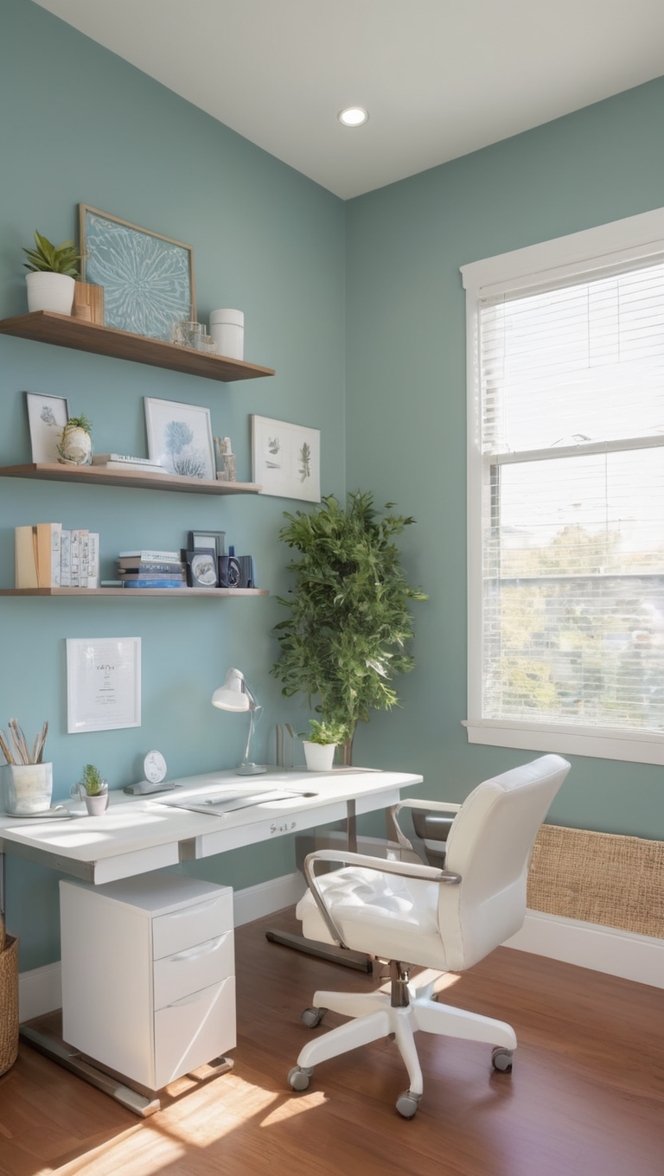
Disclosure: This post contains affiliate links. We may earn a commission at no extra cost to you.
**
How can I optimize my medical coding home office setup?
**
medical coding home office setup
Creating an efficient home office setup for medical coding involves organizing your workspace for maximum productivity. Ensure you have a dedicated area with proper lighting, ergonomic furniture, and a reliable computer. Implement storage solutions for documents and supplies. Set up a dual monitor system for multitasking and consider investing in noise-canceling headphones. Establish a routine and keep your workspace clutter-free to enhance focus and efficiency.
In today’s fast-paced world, many individuals are opting to work from the comfort of their own homes. As a medical coder, having a well-optimized home office setup is crucial to ensuring that you can work efficiently and effectively. Let’s explore some key considerations and tips for creating the ideal medical coding home office setup.
## How can I optimize my medical coding home office setup??
When setting up your medical coding home office, the first step is to ensure that you have all the necessary equipment. This includes a reliable computer or laptop, a high-speed internet connection, a printer, a scanner, and a comfortable chair and desk. Investing in quality equipment will not only enhance your productivity but also prevent any potential issues that may arise from using outdated or faulty devices.
### 1. What equipment do I need for a medical coding home office setup?
As a medical coder, your primary tool is your computer. Make sure you have a computer with sufficient processing power and memory to handle the demands of medical coding software. Additionally, having a dual monitor setup can greatly improve your efficiency by allowing you to view multiple documents simultaneously.
### 2. How can I create an ergonomic workspace for medical coding?
Ergonomics is essential when setting up your home office to prevent strain and injury. Ensure that your chair provides proper back support and that your desk is at the correct height to prevent neck and shoulder strain. Consider investing in an ergonomic keyboard and mouse to reduce the risk of repetitive strain injuries.
### 3. What software should I use for medical coding at home?
There are several software options available for medical coding, such as encoder software, EHR systems, and coding reference tools. Choose software that is user-friendly, up-to-date, and compatible with industry standards to streamline your coding process.
### 4. How can I ensure data security and privacy in my home office setup?
Data security is paramount when working as a medical coder. Ensure that you have secure access to patient records and sensitive information by using encryption software, firewalls, and secure VPN connections. Implement strict protocols for data handling and storage to protect patient confidentiality.
### 5. What lighting is best for a medical coding workspace at home?
Proper lighting is essential for reducing eye strain and maintaining focus during long coding sessions. Position your desk near a window to take advantage of natural light and consider using a desk lamp with adjustable brightness for task lighting.
### 6. How can I organize my workspace for optimal efficiency in medical coding?
Organizing your workspace is key to maintaining productivity and focus. Keep essential tools and reference materials within easy reach and use storage solutions such as shelves, drawers, and file organizers to declutter your workspace.
### 7. What tips can help me stay focused and motivated while working from home as a medical coder?
Working from home can present unique challenges, such as distractions and lack of motivation. Establish a routine, set daily goals, and create a dedicated workspace to separate work from personal life. Take regular breaks, stay hydrated, and engage in physical activity to maintain focus and productivity throughout the day.
By addressing these key considerations and implementing the necessary adjustments, you can create a well-optimized home office setup for medical coding that promotes efficiency, productivity, and comfort. Remember to regularly assess and update your setup to ensure that it continues to meet your evolving needs as a medical coder.
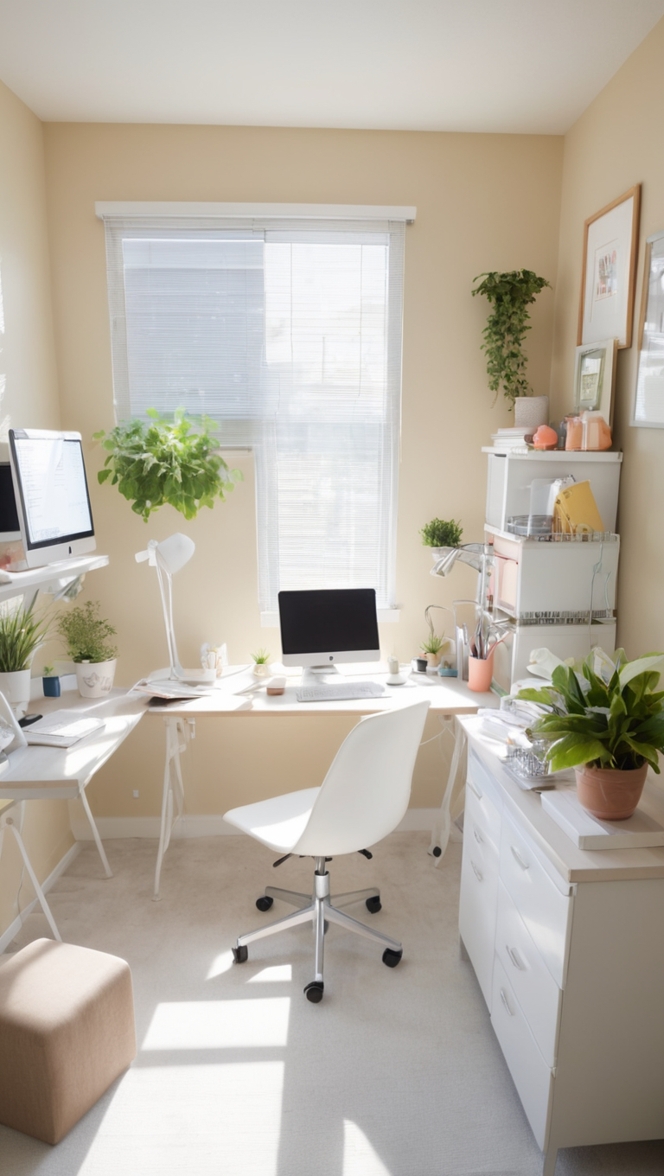
**Medical Coding Home Office Setup: 12 Ideas to Optimize Your Workspace**
Working from home as a medical coder requires a well-organized and efficient home office setup. To enhance your productivity and comfort, consider implementing the following ideas to optimize your workspace:
1. **Dedicated Workspace:** Designate a specific area in your home solely for your medical coding work. This helps create a boundary between your personal and professional life.
2. **Proper Lighting:** Ensure your workspace is well-lit to reduce eye strain and enhance focus. Consider using a combination of natural light and task lighting.
3. **Ergonomic Furniture:** Invest in a comfortable chair and desk that support good posture. Adjustable height desks and ergonomic chairs can help prevent back and neck pain.
4. **Reliable Computer:** Use a high-quality computer with sufficient processing power and memory to handle medical coding software efficiently.
5. **Storage Solutions:** Organize your documents and supplies with storage bins, shelves, and filing cabinets to keep your workspace clutter-free.
6. **Dual Monitor System:** Increase your productivity by setting up dual monitors for multitasking. This allows you to view multiple documents or applications simultaneously.
7. **Noise-Canceling Headphones:** Block out distractions and create a focused work environment with noise-canceling headphones. Choose a comfortable pair for long hours of coding.
8. **Routine:** Establish a daily routine for your work hours, breaks, and tasks. Having a structured schedule helps maintain consistency and productivity.
9. **Clutter-Free Workspace:** Keep your desk and surroundings organized by decluttering regularly. A clean workspace promotes a clear mind and better workflow.
10. **Personal Touches:** Add personal touches to your workspace, such as plants, photos, or motivational quotes. Create a space that inspires you and boosts your mood.
11. **Color Psychology:** Choose paint colors for your home office that promote focus and creativity. Consider soothing shades like blue or green for a calming atmosphere.
12. **Tech Accessories:** Invest in tech accessories like a good quality keyboard, mouse, and desk lamp to enhance your coding experience and comfort.
By implementing these ideas, you can create a functional and inspiring home office setup for your medical coding work. Remember to customize your workspace to suit your preferences and needs, and enjoy the benefits of a well-optimized workspace.